Designation
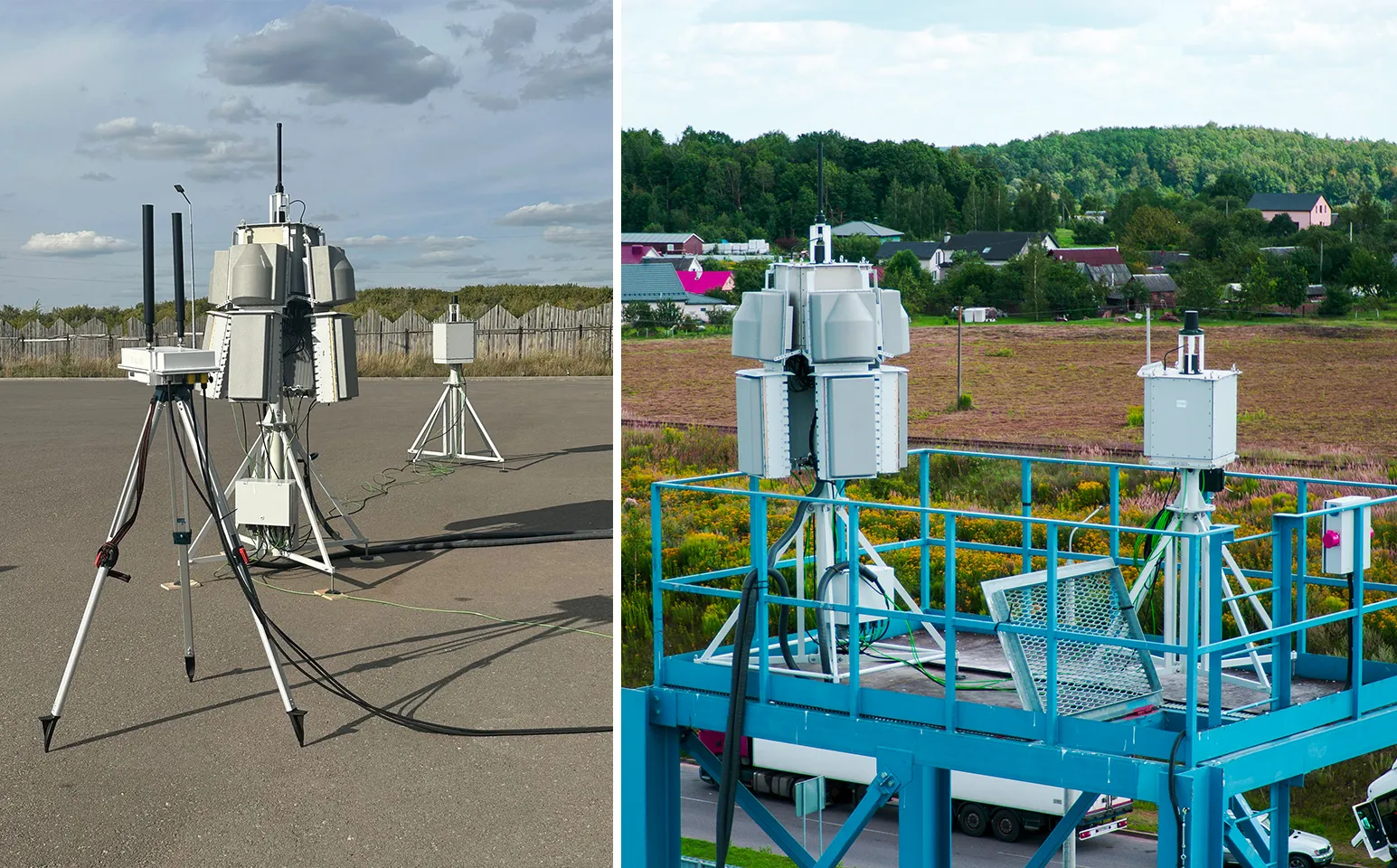
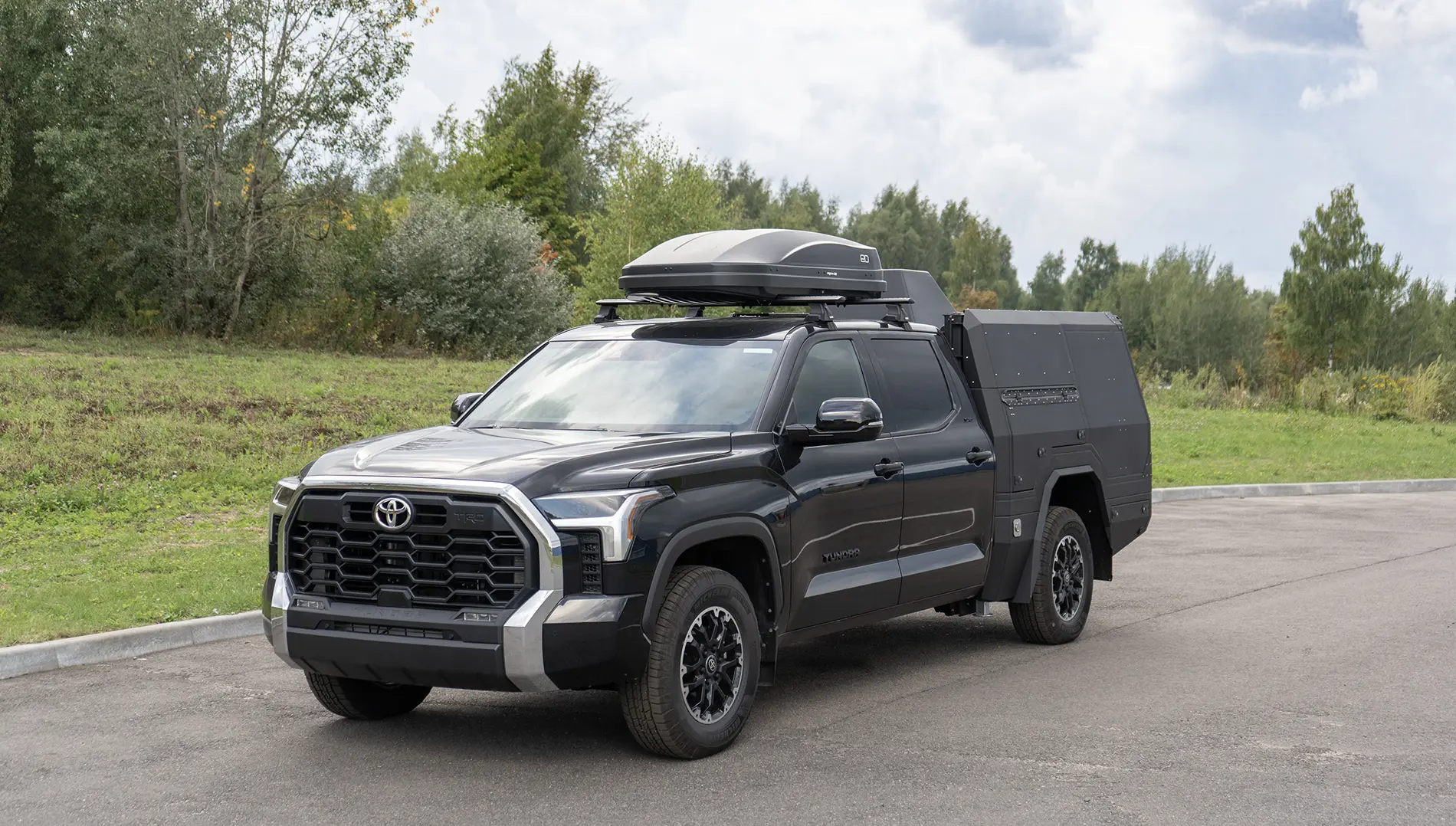
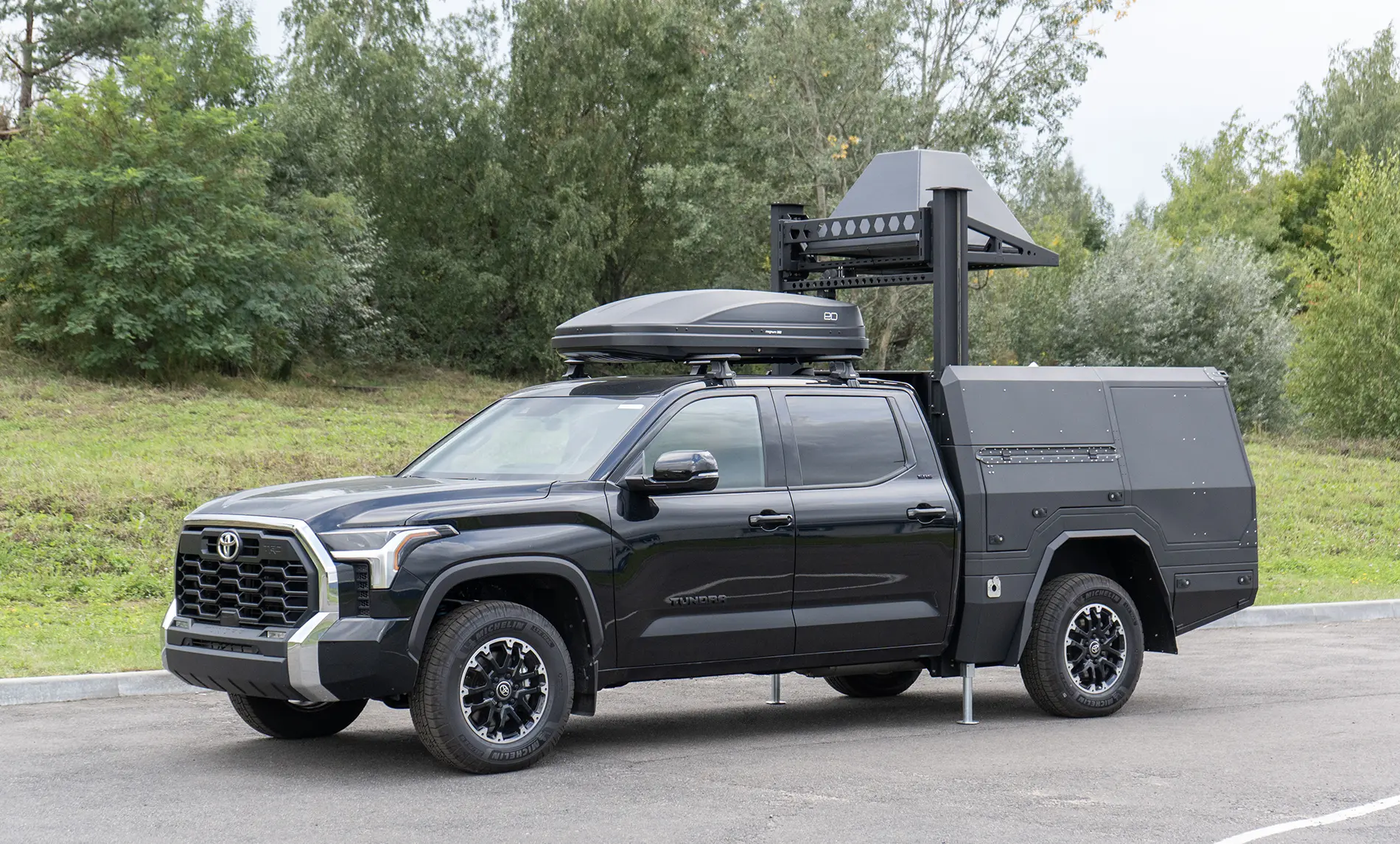
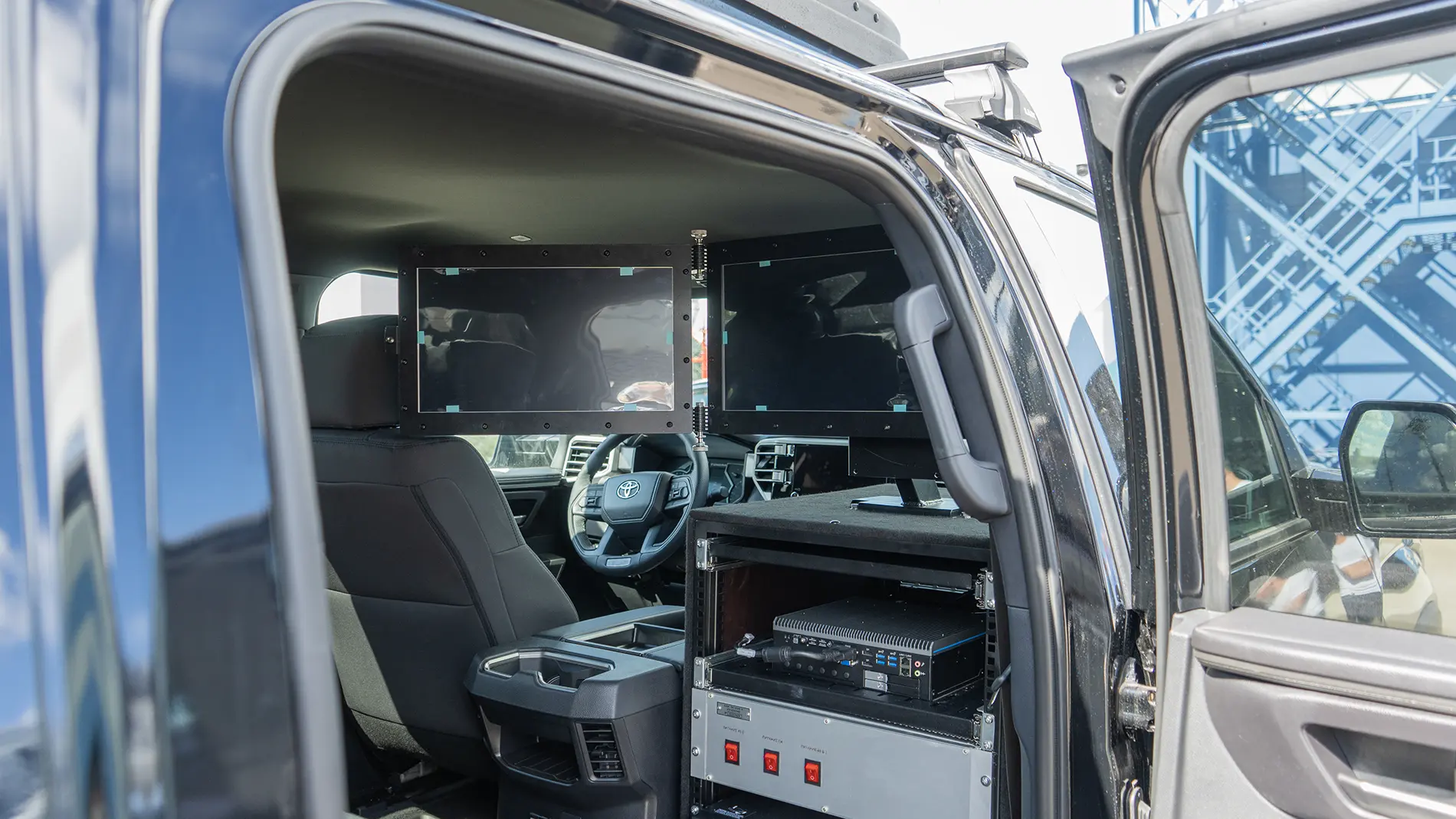
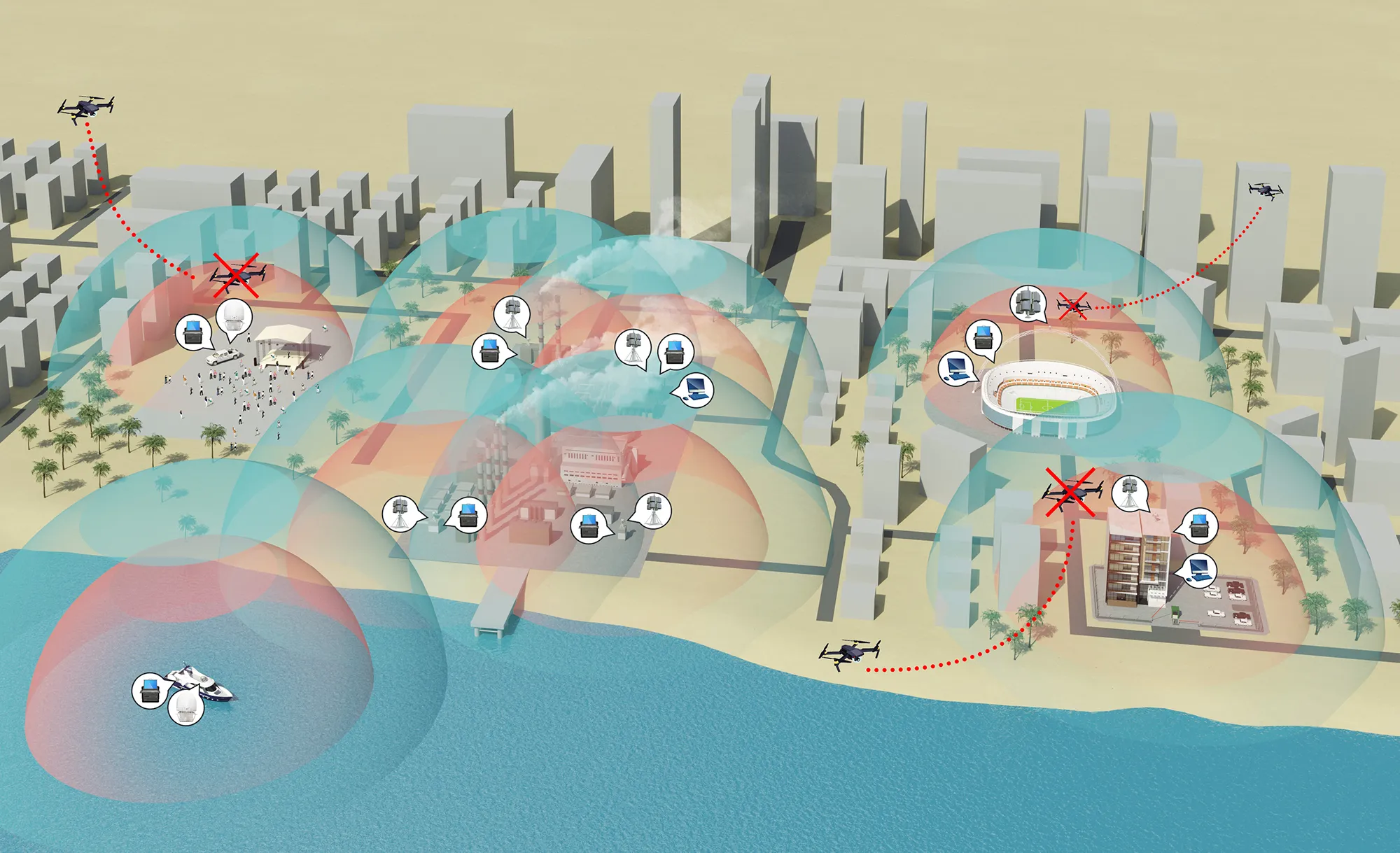
Protection of objects (road vehicle convoys, fixed facilities, public event venues and other protected areas) from unsanctioned intrusion of UAVs by automatic and automated detection of radiation from their onboard equipment and jamming their control, data transmission and navigation channels, UAV navigation spoofing.
Capacities and advantages
— protection of facilities and road vehicle convoys from UAV attacks;
— preventing UAVs from delivery of hazardous articles and unsanctioned video recording of critical infrastructure;
— counteraction against all mass-produced UAV types;
— automatic and automated operation modes;
— capability to operate both at halts and on the move;
— capability to create «white lists» of UAVs to enable flights over protected objects;
— capability to be installed on various types of off-road vehicles, sea and river vessels, flat building rooftops, masts.
Specifications
| Parameters | Value |
| UAV detection and recognition: | 120–8000 MHz |
| continous observation | 120–500 MHz; 720–928 MHz; 2280–2600 MHz; 4900–6100 MHz |
| sequential observation | 500–8000 MHz |
| FPV video stream interception | 460–8000 MHz |
| UAV jamming frequency bands: | 120–8000 MHz |
| barrage jamming | 350–500 MHz; 500–720 MHz; 720–860 MHz; 860–960 MHz; 960–1070 MHz; 1070–1300 MHz; 1300–1490 MHz; 1560–1610 MHz; 2280–2600 MHz; 5150–5350 MHz; 5700–5900 MHz |
| target designation jamming | 120–350 MHz; 1000–8000 MHz |
| Jamming victim navigation receivers | GPS, GLONASS, BeiDou, Galileo |
| UAV transmitter automatic detection range | up to 2 km |
| UAV control channel receiver jamming range | up to 1.5 km |
| UAV navigation receiver denial jamming range | up to 2 km |
| UAV navigation receiver deceptive (spoofing) jamming range | up to 10 km |